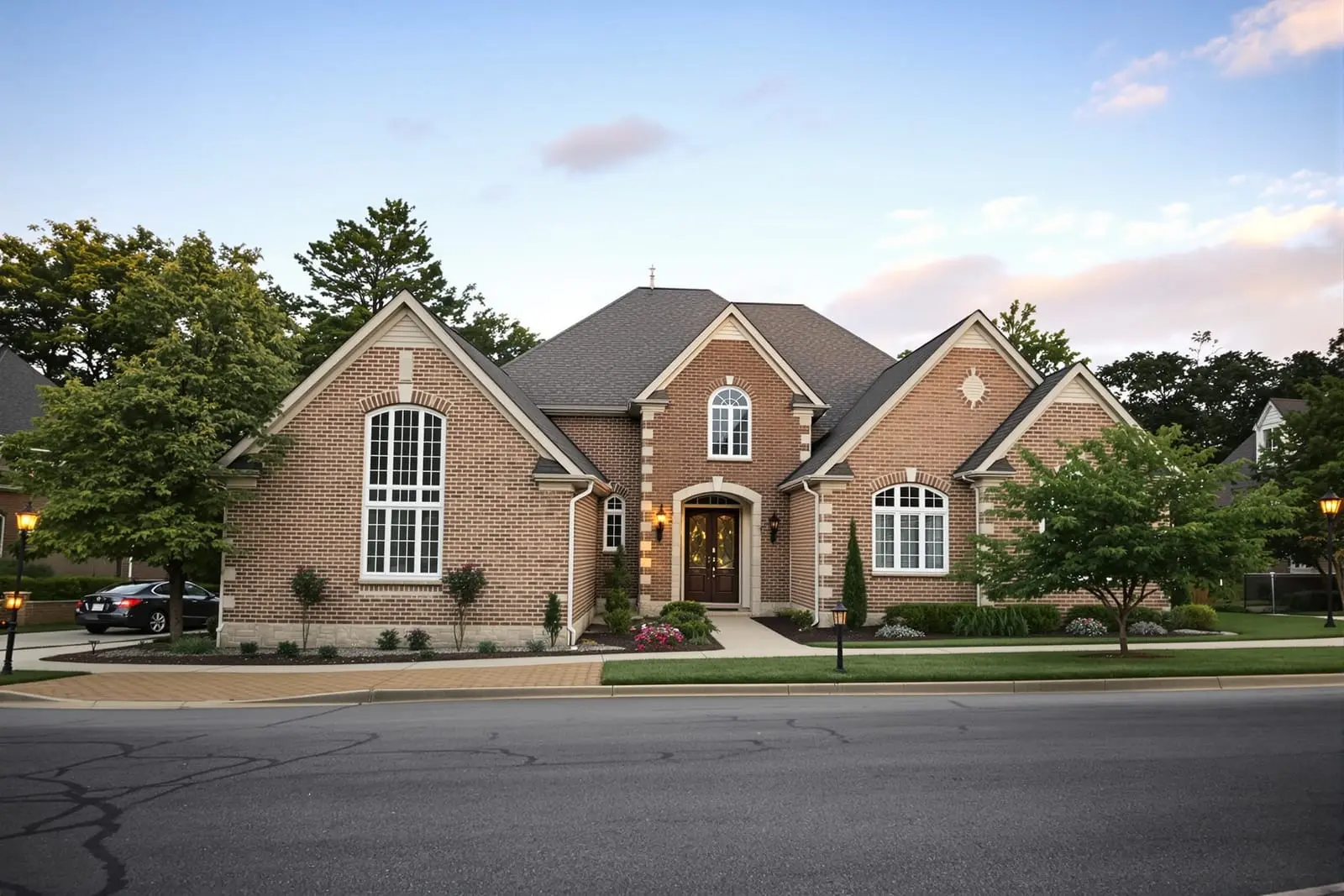
We provide expert brick veneer installation in Tampa, FL for new construction and remodeling projects. Thin brick systems deliver the look of full brick with less weight and disruption. Our team handles preparation, moisture details, and precise layout for a long lasting finish. Upgrade your curb appeal with quality brick facing designed for your home.
Premier Masonry Tampa provides professional brick veneer installation throughout Tampa, FL and the surrounding area. Our licensed, insured crew delivers safe, clean, on-time work with a free estimate before anything begins. Call (813) 544-1323 or request your free quote.
Brick veneer installation that fits Tampa homes and weather
Brick veneer is a smart way to get the look and strength of brick without rebuilding your walls. At Premier Masonry Tampa, we install thin brick units as a facing over wood framing, block, or existing masonry so you get a durable finish that handles Tampa heat, storms, and humidity.
For Tampa homeowners, the main choice is usually between a full exterior veneer on block or wood-framed walls, or accent areas like entryways, porch columns, and feature walls. We walk the property with you, look at existing structure, stucco condition, and water run-off, then explain where veneer makes sense and where another finish might be better.
We pay close attention to how brick veneer deals with water. In our climate, driving rain from summer storms can push water behind the veneer. If the installer does not detail a proper drainage cavity and weep system, trapped moisture can rot framing or push out mortar. We design each installation so water that gets in can get back out, which is one of the main reasons hiring a local masonry company that actually builds in Tampa matters.
How brick veneer installation actually works
A typical brick veneer installation by Premier Masonry Tampa starts with inspection and prep. We inspect the existing wall or framing for straightness, structural issues, soft spots, and signs of water intrusion. Any loose stucco, failing paint, or crumbling mortar is removed. If we are going over wood framing, we confirm that sheathing is sound and properly attached.
Next, we install the weather-resistive barrier and flashing where needed. For framed walls, this usually means a code-approved house wrap or building paper, sealed at seams and around windows and doors. On block or concrete walls, we verify that the surface is clean and ready to bond and we add flashing at horizontal breaks, window heads, and door sills to move water out to the face of the veneer.
If the design calls for anchored brick veneer, we install metal brick ties or anchors into the framing or block at the correct spacing. These ties are what lock the veneer to the structure while leaving a narrow air gap and drainage space behind the brick. For thin adhered veneer, we install metal lath and a scratch coat of mortar. That scratch coat is scored so the next layer of mortar can bite into it.
The setting of the brick is where the visible look is created. We lay out control lines for level and plumb, then set the first course so it matches existing finishes and avoids odd slivers at window heads. Joint profile and thickness are discussed beforehand, whether you prefer tight joints for a modern look or more traditional joints. Once the brick is set, joints are tooled for appearance and to shed water.
After the brick is installed, we clean the surface with methods that will not damage the veneer. Some bricks tolerate mild cleaners and soft washing, others require only water and brushes. For many Tampa jobs we schedule this cleanup early in the morning or later in the day to avoid rapid drying streaks from the sun.
Design options that work in Tampa’s style and climate
Brick veneer installation is not just a surface treatment. Color, texture, and layout can change how your home looks from the street and how it handles the local environment.
Color choice matters in Tampa sun. Dark bricks can look sharp but hold more heat, which can be a concern on west and south facing walls. Lighter reds, buff, or sand-faced bricks often stay cooler and show less fading over time. At Premier Masonry Tampa, we bring sample boards and, when possible, show you local projects with similar colors so you can see them in our actual light, not just in a catalog photo.
Texture and pattern also affect maintenance. Heavily textured or tumbled bricks can trap more airborne salt and dirt in coastal neighborhoods like South Tampa and Apollo Beach. Smooth or wire-cut units often rinse cleaner after summer storms. We discuss where wind usually hits your house and suggest textures that will not look dingy after a few seasons.
Layouts offer more variety than most people expect. Running bond is common, but soldier courses over windows, rowlock sills, or herringbone panels on entryways can make the veneer look custom without a huge cost increase. On interior accent walls, we can change bond patterns midway up to break up large surfaces.
Grout color is another big decision. A high-contrast mortar makes each brick stand out, good for rustic or traditional looks. A closer color match softens the wall and can hide expansion joints better. For coastal or pool-adjacent homes, we recommend mortars formulated for higher moisture exposure, which helps reduce efflorescence, those white mineral deposits that can appear as masonry dries.
Cost factors, quotes, and avoiding common problems
With brick veneer installation, the price is driven by more than just square footage. At Premier Masonry Tampa, we explain the cost drivers in plain language before any work starts so you understand where your budget is going.
Key factors include surface condition, access, and detailing. Walls that need demo of old tile, stone, or severely failing stucco take more time than clean block or sheathing. Tight side yards in parts of Tampa can require more labor because material has to be carried in by hand instead of with equipment. Complex detailing around arches, bay windows, and porch columns also adds time.
Material selection is another big piece of the budget. Manufactured thin brick and some clay veneers are usually more affordable and lighter, which can be helpful on interior walls and second stories. Special shapes, custom blends, or imported brick cost more, but if you only use them on key areas like the front elevation, you can often keep the overall cost reasonable.
Common problems we are called to fix from previous work include bulging veneer, cracked joints running in straight lines, and water staining around windows. These usually come from missing or poorly installed anchors, lack of expansion joints, or no real drainage system behind the veneer. On repairs, we open up suspect sections, check ties, add weeps and vents, and retool joints so the wall can move and drain the way it was supposed to.
When we price a new job in Tampa, we also think about hurricane exposure. Veneer is non-structural, but it still catches wind and rain. We install anchors, control joints, and sealant transitions to meet or exceed local code, especially in areas closer to the bay where gusts are higher. This may not be the cheapest option up front, but it is usually cheaper than tearing off a failed wall after a storm.
What Tampa homeowners should know before hiring for brick veneer
Before you hire anyone for brick veneer installation, it helps to know what to ask about and what you should see in a proposal. Premier Masonry Tampa encourages homeowners to compare details, not just total price.
First, ask how they will manage water behind the veneer. You should hear specific terms like weep holes or weep vents, flashing at window heads and sills, and a drainage space or cavity. If the answer is simply that they “seal it up,” that is a red flag in a wet climate like ours.
Second, ask about attachment. On anchored veneer, you want properly spaced and corrosion-resistant brick ties that are mechanically fastened to studs or block, not just nailed through sheathing. On adhered thin veneer, you want a clear description of lath, scratch coat, and the type of mortar or adhesive being used.
Third, find out how they handle movement. Our heat, afternoon storms, and occasional cold snaps make masonry expand and contract. Proposals should mention control joints or expansion joints, especially on long walls or tall gables. Without these, cracks tend to appear where you least want them, like near corners or openings.
Finally, request local references and drive by a few completed jobs. Look at how the veneer meets windows, doors, and soffits. Check if joints are even and if there are stains or white streaks under sills. A good brick veneer installation should still look solid and straight even after several rainy seasons. Premier Masonry Tampa is always willing to point you to projects around Tampa so you can see our work before you decide.
“
Professional brick veneer installation, done right the first time, quality materials, honest pricing, and results that last.