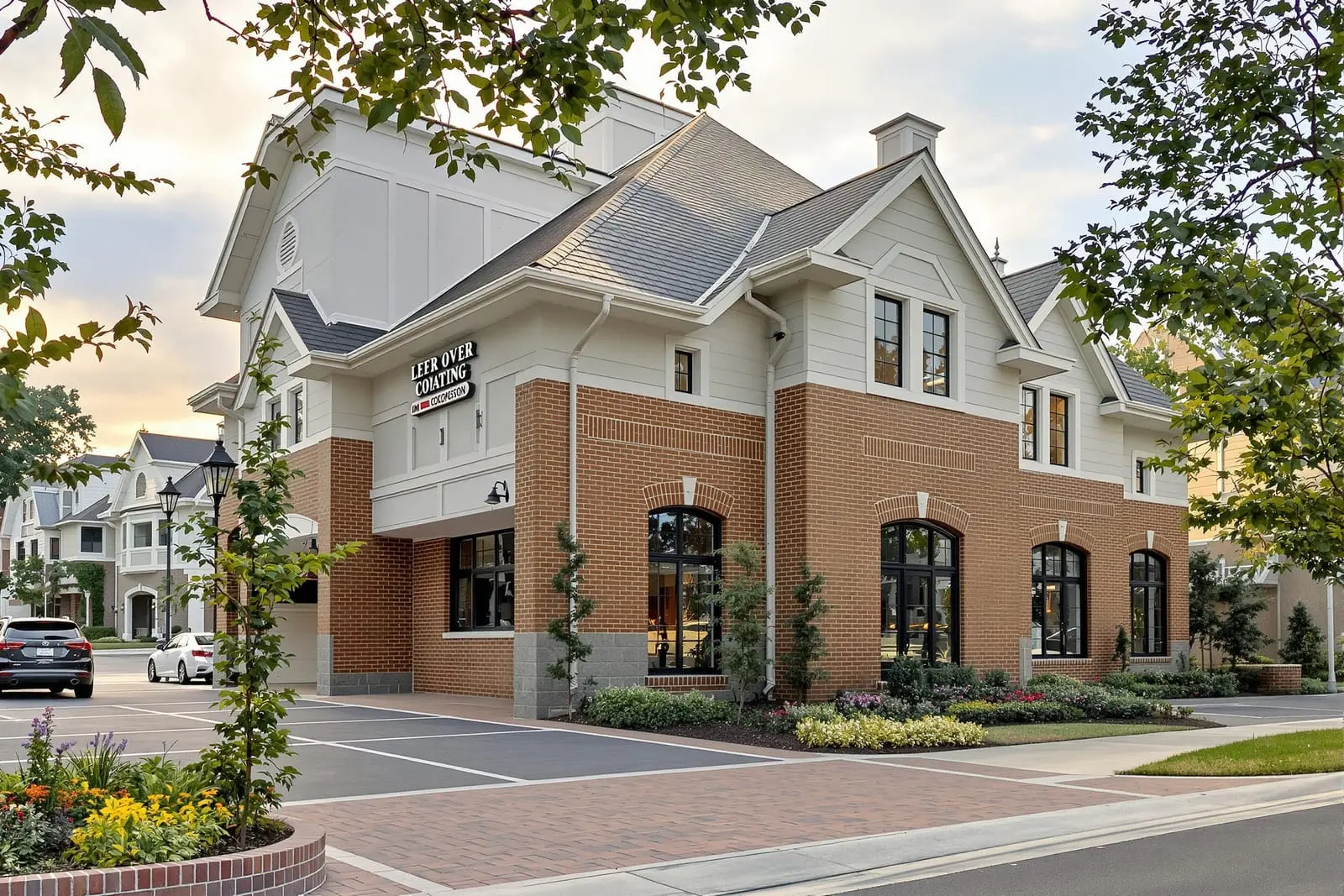
Our masonry waterproofing and coatings services in Tampa, FL help protect buildings from moisture and staining. We apply breathable sealers, elastomeric coatings, and specialized systems suited to each substrate. Surface preparation and detail work around joints and penetrations are carefully handled. Extend the life of your brick, block, and stone with a tailored protection plan.
Premier Masonry Tampa provides professional masonry waterproofing throughout Tampa, FL and the surrounding area. Our licensed, insured crew delivers safe, clean, on-time work with a free estimate before anything begins. Call (813) 544-1323 or request your free quote.
Protecting Tampa Masonry From Daily Moisture And Storm Surges
In Tampa, the enemy of brick and block is not ice, it is water that keeps coming at your home or building from every angle. Daily humidity, afternoon thunderstorms, tropical systems, and salty coastal air all push moisture into unprotected masonry. Without proper masonry waterproofing, you can see efflorescence (white staining), dark damp patches that never dry, spalling brick faces, loose mortar joints, and musty smells inside.
At Premier Masonry Tampa, our approach to masonry waterproofing and coatings is built around what actually happens to walls, chimneys, and foundations in this climate. We look at how water is entering (surface saturation, hairline cracks, porous mortar, capillary wicking from slabs, or wind-driven rain) and then match the right combination of repairs and coatings. The goal is not to trap moisture inside your wall. It is to slow water from getting in, allow the wall to breathe, and direct any water that does get in back out in a controlled way.
Most properties we see in Tampa already have some level of moisture impact. That is normal for this area, and it is fixable. By choosing the correct products, preparing surfaces correctly, and timing the work around our local weather patterns, Premier Masonry Tampa can usually extend the life of your masonry by several decades rather than a few seasons.
How Our Masonry Waterproofing Process Works On Tampa Homes
Every masonry waterproofing project with Premier Masonry Tampa starts with a detailed inspection, not with a spray can. We walk the property, test suspect areas with a moisture meter, and look at rooflines, gutters, window flashings, existing paint, and grading. Many leaks show up in a wall but actually start at a roof edge or window opening, so we make sure the masonry fix is addressing the real problem.
Surface preparation is the most important step. We begin by low-pressure washing to remove dirt, mildew, and loose paint. For mold or algae, we use a masonry-safe cleaner so the growth does not come back through the new coating. Any deteriorated or hollow mortar joints are cut out and repointed, and cracks in block or brick are opened up and repaired with a compatible patching material. We remove loose or flaking coatings so the new system bonds to the masonry, not to failing paint.
Once the wall is sound and clean, we select the waterproofing system. On bare brick, stone, or block, we typically apply a clear penetrating sealer that soaks into the pores and chemically bonds inside the material. This helps shed rain and reduces absorption without putting a visible film on the surface. On stucco or already-painted masonry, we often use an elastomeric or high-build masonry coating that forms a flexible surface layer. These coatings bridge hairline cracks and stand up to Tampa’s UV exposure and heavy rains.
Application is done by roller and brush in most residential jobs, sometimes combined with spray for large commercial walls. We monitor weather closely and avoid applying in the middle of a summer downpour or when afternoon humidity will prevent proper curing. In Tampa, that usually means starting early in the morning so the coating can set before the late-day storms roll through. Final cleanup includes re-caulking joints around windows and doors, checking for pinholes or missed areas, and walking the property with you to make sure the coverage is complete.
Waterproofing Options And What Makes Sense In Tampa’s Climate
Not every block wall or brick column in Tampa needs the same type of masonry waterproofing. Premier Masonry Tampa helps you choose from several types of products based on what you have and what you want it to look like.
Clear penetrating sealers work well on bare brick, stone veneer, pavers, and decorative block where you want to keep the natural look. These products soak in and line the pores, so water beads up and runs off instead of soaking in. Because they do not form a film, they still allow vapor to escape, which is important in our humid environment. We often recommend breathable sealers for older masonry that needs protection without being locked up under a thick skin.
Elastomeric masonry coatings are a good choice for stucco and concrete block walls that already have a painted look or where you want to hide patched areas. These coatings are thicker than standard paint and have a bit of flexibility, so they can bridge small cracks that would instantly split normal paint. The higher film build also gives you better resistance to wind-driven rain that comes with our tropical storms. We specify products that are UV stable so they do not chalk and fade quickly under Florida sun.
In some problem areas, like parapet caps, chimney crowns, or tops of retaining walls, we may add a specialized cementitious waterproof topping or a fluid-applied membrane under coping stones. In planter walls and below-grade block, we may combine an exterior waterproof coating with drainage improvements so water has somewhere to go. The right choice often depends as much on the design of the wall and drainage pattern as on the product itself, which is why we spend time explaining your options during the estimate.
Costs, Timelines, And The Best Season For Masonry Waterproofing In Tampa
For most Tampa homes, masonry waterproofing is far less costly than rebuilding damaged walls later. Premier Masonry Tampa prices each project based on several real-world factors: total square footage to be treated, how much repair is needed before coating, the type and number of products used, and site access. A straight, accessible block wall in decent shape is at the lower end of the price range. Multi-story walls, heavily cracked or spalled areas, and surfaces covered in failing paint that must be stripped take more time and materials.
We provide written proposals that break out prep work, product types, and estimated coverage so you understand where the cost comes from. If you are comparing quotes, look at more than just the bottom line. Check whether the contractor includes mortar repairs, crack treatment, and surface cleaning, and ask what exact products they are using. A cheap interior sealer marketed as waterproofing will not hold up to Tampa’s exterior conditions for long.
Timing matters for this work. In Tampa, late fall through early spring usually gives us the most predictable weather, cooler temperatures, and lower afternoon storm chances. That makes it an ideal window for larger waterproofing projects. However, we perform this work year-round by scheduling around weather patterns and using products with cure times suitable for higher humidity. For example, we avoid starting large exterior coatings when a tropical system is in the forecast and may break a project into phases during the wettest weeks.
In terms of disruption, most residential waterproofing projects are completed in one to three days, depending on wall size and repair level. We protect nearby landscaping and hardscape, and we coordinate with you if any temporary access restrictions are needed. Our goal is to leave you with drier walls and cleaner lines without turning your yard into a construction site for weeks.
Common Tampa Masonry Moisture Problems And How We Fix Them
In this region we see a predictable set of masonry moisture issues, and understanding them helps you know what to expect. One common issue is efflorescence, the white, powdery deposits on brick and block. This is mineral salt carried to the surface by water moving through the wall. Simply washing it off does not solve the problem. Premier Masonry Tampa first looks for the moisture source, which can be clogged gutters dumping water near the wall, missing drip edge at the roof, or sprinkler heads hitting the same area every day. After adjustments and cleaning, we apply a breathable sealer or coating so water does not keep wicking through.
Another frequent problem is bubbling or peeling paint on stucco or block. In Tampa this is often caused by moisture pressure from behind the coating, either from vapor coming through the wall or from a non-breathable product previously applied. In those cases, we remove failing paint, spot test to see how tightly the remaining coating is bonded, and sometimes recommend a more breathable elastomeric system that lets trapped moisture escape slowly instead of blistering the surface.
We also address moisture entering at transitions, such as where masonry meets windows, doors, or siding. Cracked sealant or poor flashing at these joints can pull water behind the wall system, which then shows up as a masonry problem. Part of our masonry waterproofing scope often includes re-caulking these connections with a high quality exterior sealant and, if needed, suggesting flashing improvements through your roofer or general contractor.
For coastal and bay-adjacent properties, salt exposure adds another layer of concern. Salt-laden moisture can accelerate corrosion of any embedded metal, such as wall ties or rebar, leading to cracking or rust staining on the surface. While masonry waterproofing cannot reverse internal corrosion, it can significantly slow the rate of salt and moisture intrusion. We may recommend more frequent maintenance coats in those environments and use products rated specifically for coastal exposure.
Throughout the process, we keep the conversation straightforward. We explain what is a cosmetic issue, what is a structural concern that may require additional trades, and what preventive steps you can take after we finish, such as adjusting sprinklers away from walls, keeping gutters clear, and watching for new cracks after a major storm.
“
Professional masonry waterproofing and coatings, done right the first time, quality materials, honest pricing, and results that last.
Premier Masonry Tampa
Masonry Waterproofing and Coatings Across Our Service Area