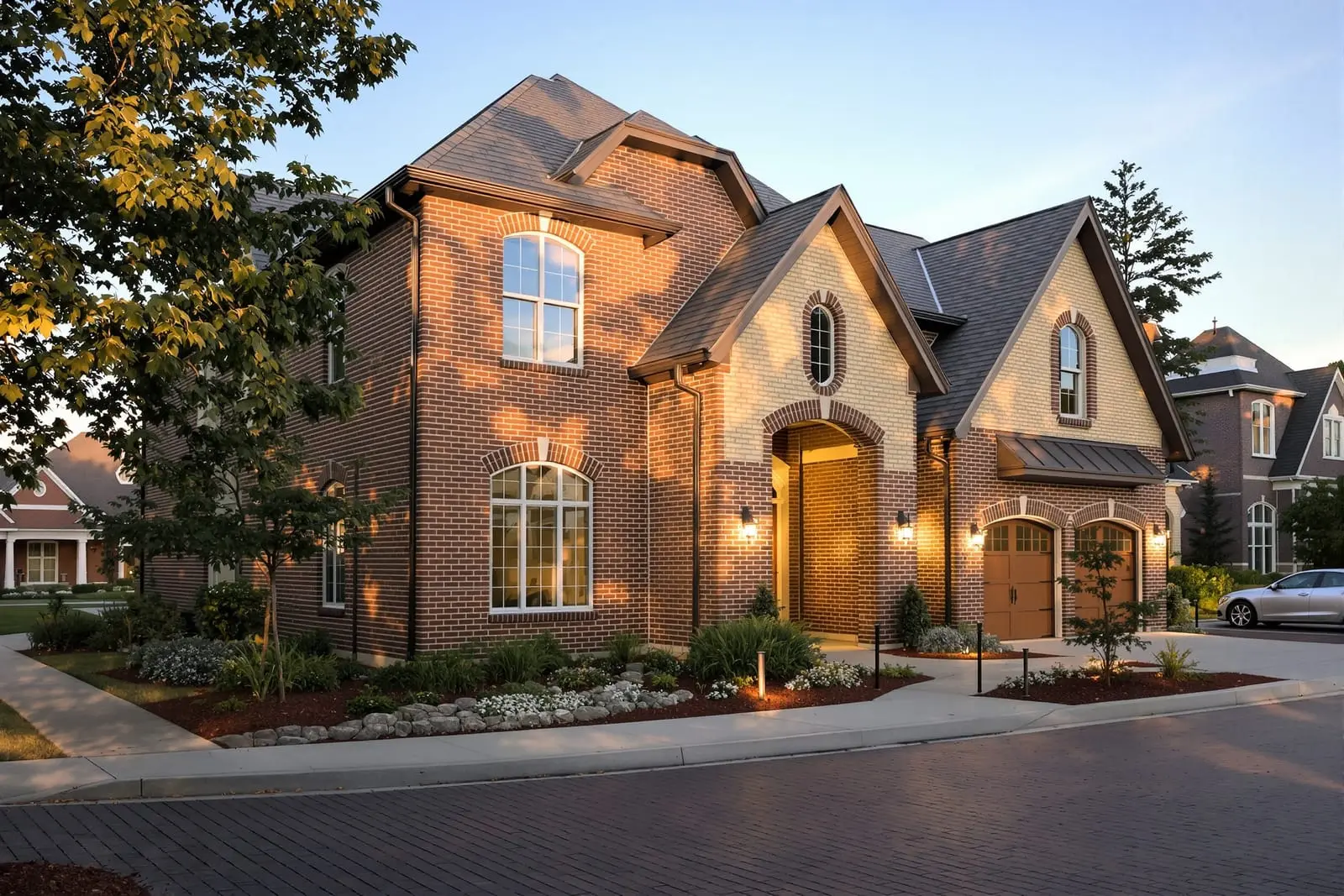
Our commercial brick veneer systems in Tampa, FL provide cost effective cladding for new and existing buildings. We install anchored brick veneers and engineered panel systems. Attention to moisture control and support details helps protect the structure behind. Achieve the look of full brick with validated systems designed for commercial use.
Premier Masonry Tampa provides professional commercial brick veneer throughout Tampa, FL and the surrounding area. Our licensed, insured crew delivers safe, clean, on-time work with a free estimate before anything begins. Call (813) 544-1323 or request your free quote.
Commercial Brick Veneer Systems for Tampa Businesses
Commercial brick veneer gives Tampa properties the look and durability of brick without the weight and cost of full masonry. Premier Masonry Tampa designs and installs brick veneer systems specifically for our local climate and building types, from low-rise office parks in Brandon to mixed-use buildings in Seminole Heights and older block structures in South Tampa.
Instead of stacking full-thickness bricks on a footing, a commercial brick veneer is a thinner brick or brick unit that is anchored to a structural wall, such as CMU block, concrete, steel stud backup, or tilt-wall. This makes it ideal for retrofits, façade upgrades, and new commercial shells where speed and structural loading are major factors.
Our team walks your site with you, identifies existing wall conditions, moisture exposure, and code requirements, then recommends a veneer system that will perform under Tampa’s heat, wind, and salt exposure. The result is a commercial exterior that has the appearance of solid masonry with a more efficient installation and predictable performance.
How Our Commercial Brick Veneer Process Works
Every commercial brick veneer project in Tampa starts with a detailed site and plan review. Premier Masonry Tampa studies your construction drawings or existing building, notes structural wall types, control joint locations, and flashing details, and confirms that the wall assembly will meet Florida Building Code and local wind-load requirements.
Next, we confirm substrate readiness. On new builds, this means verifying that concrete or CMU walls are cured, clean, and within tolerance, or that steel stud and sheathing systems are properly installed with the correct fastener spacing. On retrofit projects, we inspect existing stucco or masonry for cracks, delamination, or moisture intrusion before deciding whether brick veneer can be installed over it or if demolition is required.
We then coordinate with your general contractor or property manager on scheduling water-resistive barrier (WRB) installation, air barriers, and flashing. Once the backup wall is ready, our masons snap layout lines, install anchors and ties according to engineer specifications, and begin setting brick courses. We maintain required cavity depths, leave and later tool weep holes, and integrate through-wall flashing at sills, lintels, and parapets.
Throughout the project, we monitor plumb, level, and coursing to align veneer with windows, doors, and architectural details. The project finishes with joint tooling, cleaning using methods safe for the specific brick and mortar, and a final punch walk with you or your representative to address any detail before turnover.
Material and Design Options for Brick Veneer in Tampa
Commercial brick veneer today covers a wide range of materials, not just traditional clay brick. Premier Masonry Tampa helps you evaluate appearance, performance, and cost for each option based on your building type and location.
Traditional modular clay brick is still the most common choice for banks, schools, and medical offices around Tampa. It offers excellent durability in our humid climate, resists fading, and has a timeless look. We source from regional manufacturers so lead times fit commercial schedules and colors coordinate with existing local developments or brand standards.
Thin brick systems, usually 1/2 to 1 inch thick, are popular for interior commercial spaces like restaurants in Ybor City or lobby upgrades in Westshore because they reduce weight and can be used with panelized systems. For exterior use, thin brick must be installed over approved backer systems with proper weatherproofing. We explain where thin brick is appropriate and where full-size veneer units are better.
We also install insulated brick veneer panels and engineered backup systems that combine steel studs, continuous insulation, and brick ties. These are useful for projects targeting energy performance or where rapid enclosure is critical. Texture options (smooth, wire-cut, tumbled) and bond patterns (running bond, stack bond accents, soldier courses) let you differentiate your property without large cost increases.
For coastal or high-splash environments, such as properties near Bayshore or along the Gandy corridor, we recommend specific brick and mortar combinations that hold color and resist efflorescence. Our team brings physical samples to your site so you can compare colors against existing finishes, signage, and nearby buildings.
Dealing With Tampa’s Climate, Moisture, and Wind Loads
Commercial brick veneer in Tampa has to stand up to heavy rain, intense sun, and tropical storms. Premier Masonry Tampa designs every veneer system around these conditions because a good-looking façade is not enough if it traps water or underperforms in high winds.
Proper drainage is critical. We create a cavity between the veneer and the backup wall, use through-wall flashing at floor lines and openings, and leave weeps at the base and above windows. This allows water that gets behind the brick to exit instead of soaking into framing or insulation. We coordinate these details with the building’s WRB and air barrier installer, which is often a separate trade on commercial projects.
For wind, we follow engineer-stamped tie spacing and embedment requirements. Tampa projects, especially taller buildings and open sites near the bay, may require closer anchor spacing and specific anchor types. We pay attention to corner conditions, parapets, and areas where suction pressures are highest, since veneer failure typically starts there if details are missed.
To handle thermal movement and settlement, we install control and expansion joints at strategic locations and around openings. In older block buildings being re-skinned, such as 1970s strip centers along Hillsborough or Dale Mabry, we look for existing cracks and movement lines so the new veneer joints align with how the building is already moving, reducing future cracking.
Cost Factors for Commercial Brick Veneer in Tampa
Several factors drive the cost of a commercial brick veneer project, and understanding them helps Tampa owners and developers budget accurately. Premier Masonry Tampa is transparent about these variables so you can balance appearance, performance, and schedule.
Material choice is a major cost driver. Standard modular clay brick is usually more economical than imported or custom-molded bricks, while thin brick systems may save structural costs but can increase labor or panel costs. Specialty blends, custom colors, or specially shaped units for cornices and banding add material and installation time but can add value in high-visibility locations.
Wall height and access affect labor. One-story retail buildings off Fowler will typically cost less per square foot than multi-story office or mixed-use projects in downtown Tampa that require extended scaffolding, swing stages, or complex site logistics. Tight sites with limited staging areas also add setup and handling time.
Existing conditions are another key factor on retrofit work. Installing brick veneer on a clean, sound CMU wall is more straightforward than over old stucco that is cracked or poorly bonded. Sometimes we must remove existing finishes, repair substrate, or add structural attachments, and those steps are priced separately.
Finally, detailing level influences cost. Highly articulated elevations with multiple returns, pilasters, insets, and window surrounds provide visual interest but add layout and cutting time. During preconstruction, we often suggest small design adjustments that maintain the architect’s intent but reduce labor, which keeps the project within your target budget.
Common Problems We Prevent or Repair on Brick Veneer Buildings
Poorly installed commercial brick veneer can cause expensive issues that often show up a few years after construction. Premier Masonry Tampa is frequently called to troubleshoot buildings around Tampa, and we use that experience to prevent the same mistakes on new projects.
One common issue is trapped moisture. This usually comes from missing or blocked weeps, improperly lapped flashing, or mortar droppings clogging the cavity. When we install new veneer, we use mortar collection devices and cavity screens to keep the drainage space open, and we carefully inspect flashings at each lift. On repair work, we may open sections of the wall to confirm conditions before recommending targeted rebuilds.
Cracking is another problem, especially around windows and at building corners. Often this is due to missing or mislocated control joints or insufficient brick ties. On existing buildings in areas like Carrollwood or Town 'N Country, we may saw new joints, pin loose veneer back to the structure with helical anchors, and repoint failing mortar to restore stability and appearance.
Efflorescence, the white staining sometimes seen on brick, is mostly an aesthetic issue but can indicate water movement. Tampa’s frequent afternoon storms and irrigation overspray can make this worse. We identify the moisture source first, then clean the veneer using methods approved by the brick manufacturer, and, when appropriate, suggest adjustments to landscaping or sprinklers.
By anticipating these issues during design and installation, we reduce warranty calls for owners and help property managers avoid premature façade repairs.
Why Tampa Owners and Contractors Choose Premier Masonry Tampa
Commercial projects in the Tampa area often involve tight schedules, active tenants, and strict design standards. Premier Masonry Tampa focuses on commercial brick veneer systems, so we understand how to keep your façade work predictable and coordinated with the rest of the build.
We regularly work with local GCs, architects, and engineers on new shells, build-outs, and façade remodels. That familiarity with local permitting, inspections, and typical detail standards helps us move faster from submittals to mobilization. Our team prepares shop drawings for anchors, joint layouts, and transitions to other claddings, then coordinates those with other trades so conflicts are resolved on paper instead of in the field.
For occupied properties, such as operating medical offices or retail centers, we stage brick veneer work to minimize disruption. This includes phased scaffold setups, clear signage, and debris control so tenants can keep operating while you upgrade the exterior.
If you are planning a new commercial building or considering a façade renovation with commercial brick veneer anywhere in the Tampa Bay area, Premier Masonry Tampa can walk the property, review your plans, and provide a detailed, itemized proposal. Our goal is to deliver a brick veneer system that looks right for your property, performs in our climate, and makes financial sense over the life of the building.
“
Professional commercial brick veneer systems, done right the first time, quality materials, honest pricing, and results that last.
Premier Masonry Tampa
Commercial Brick Veneer Systems Across Our Service Area